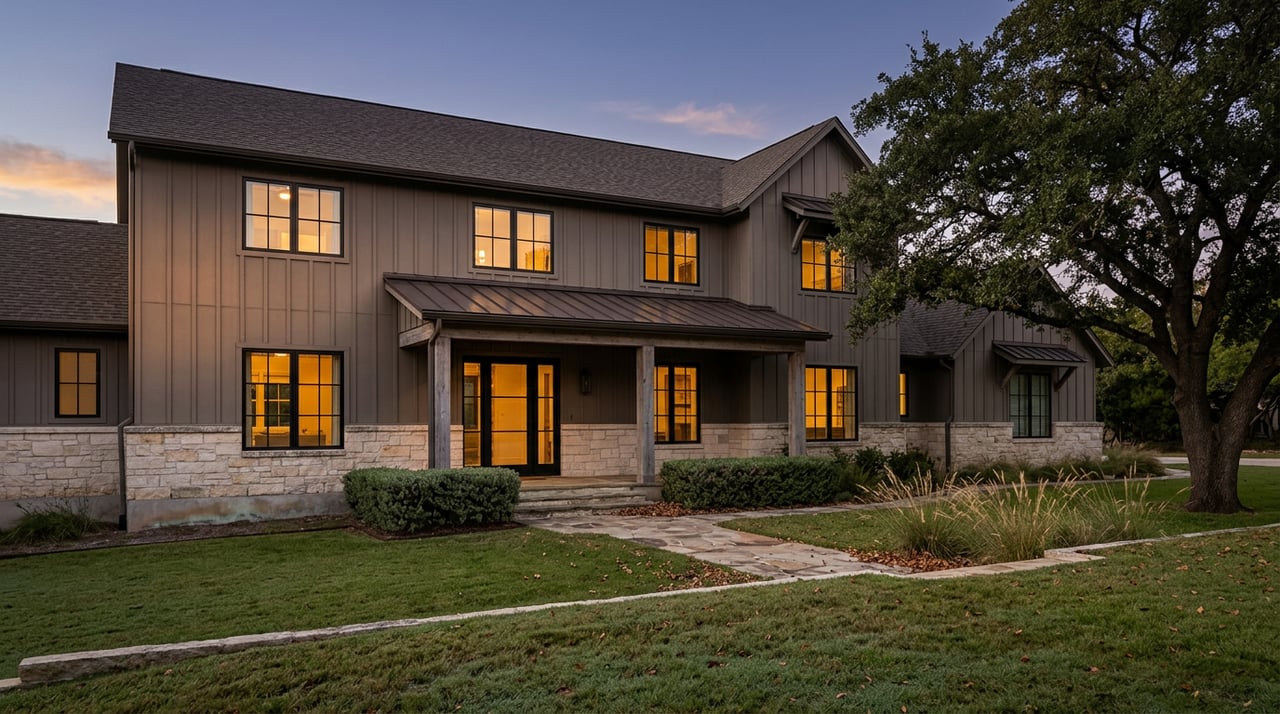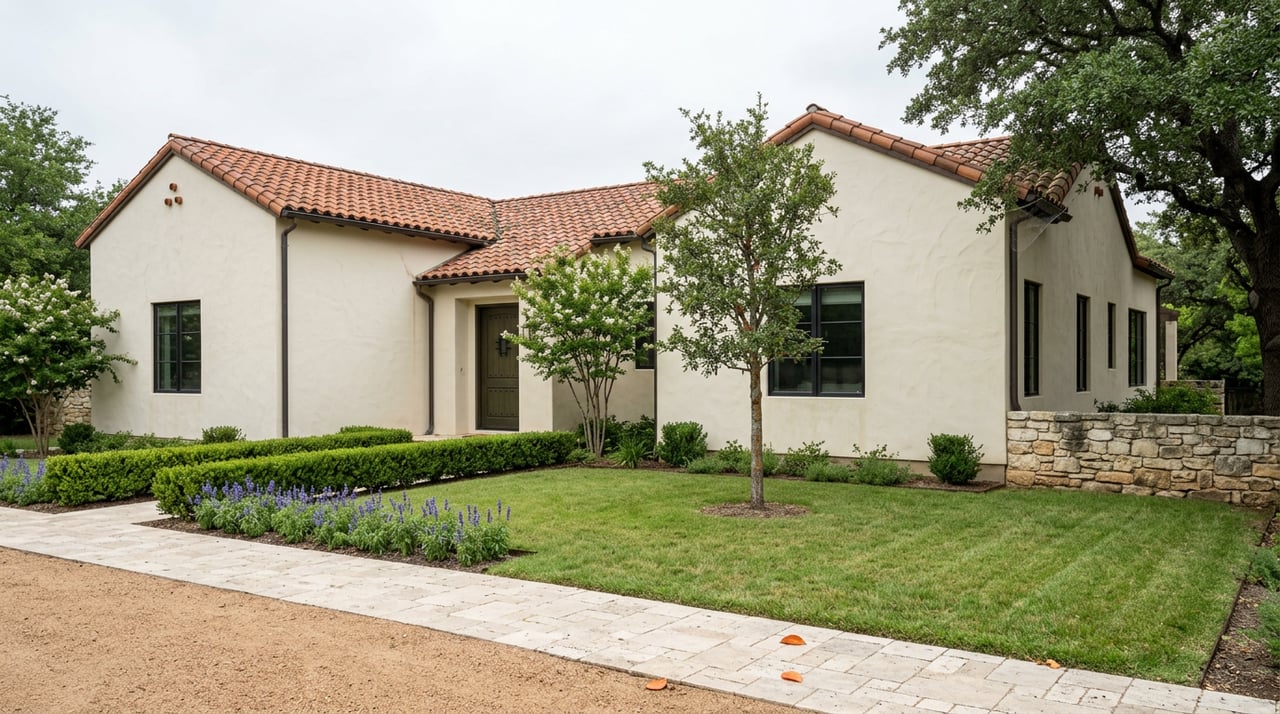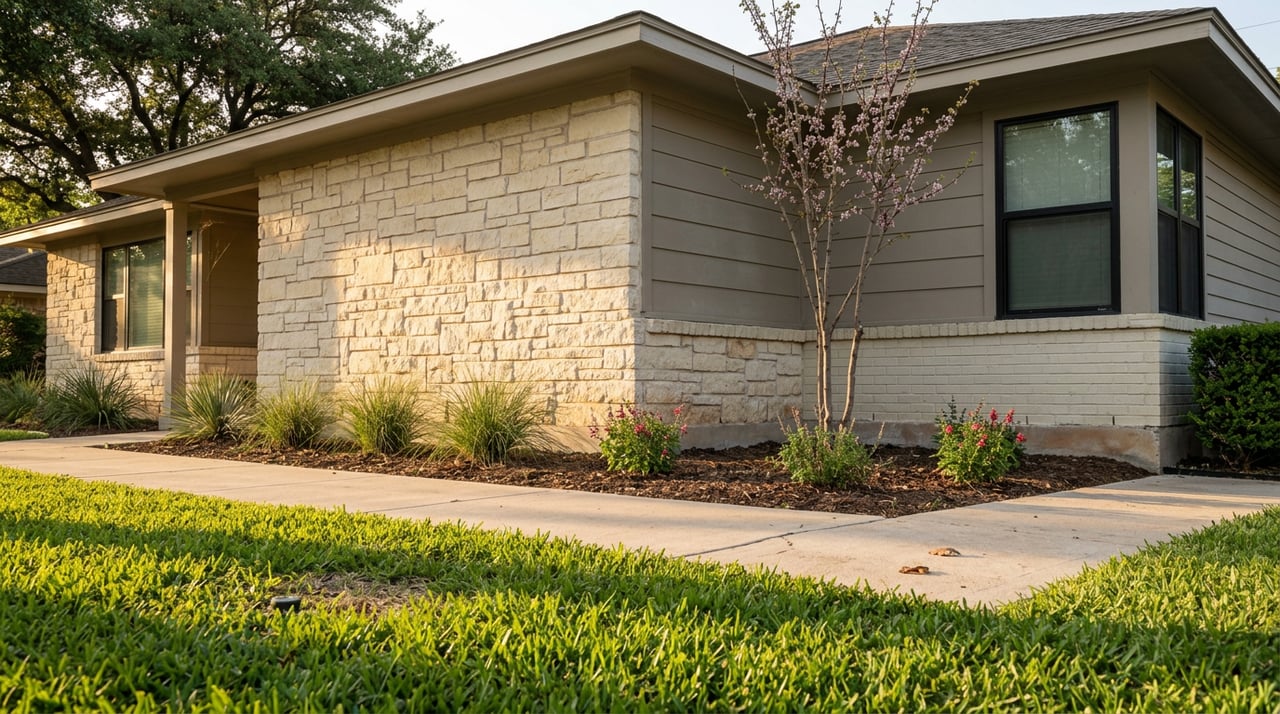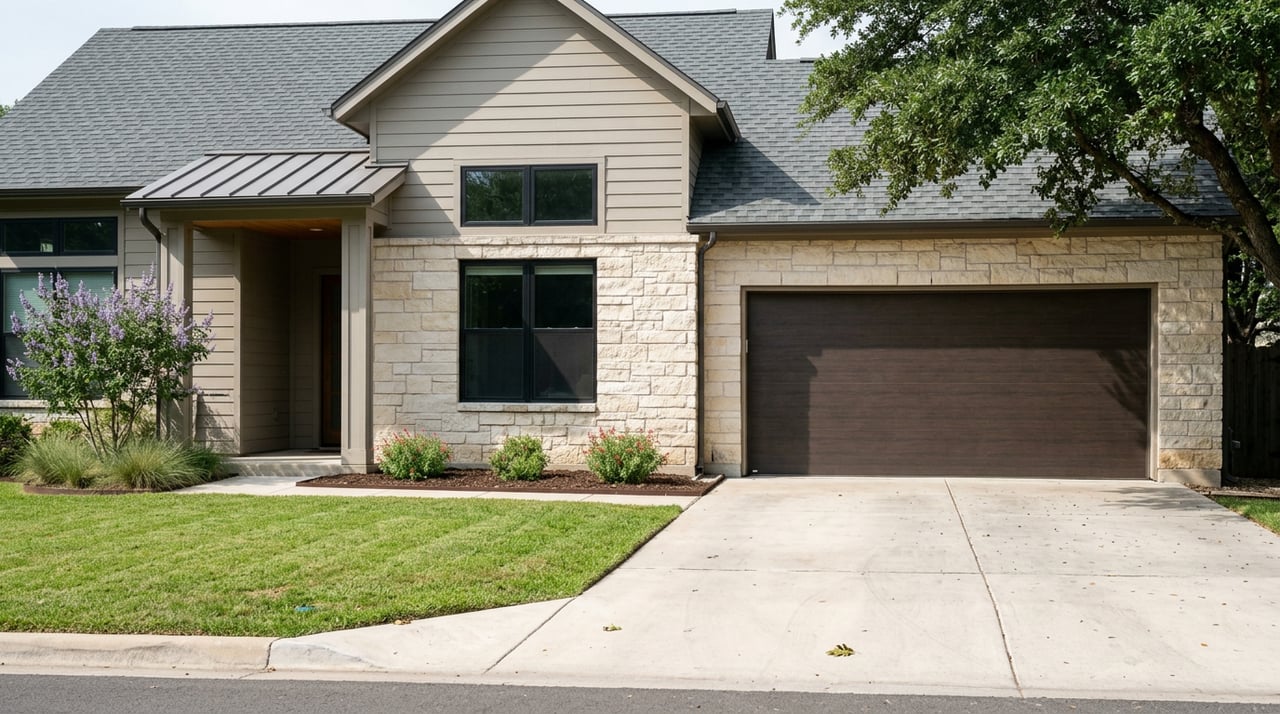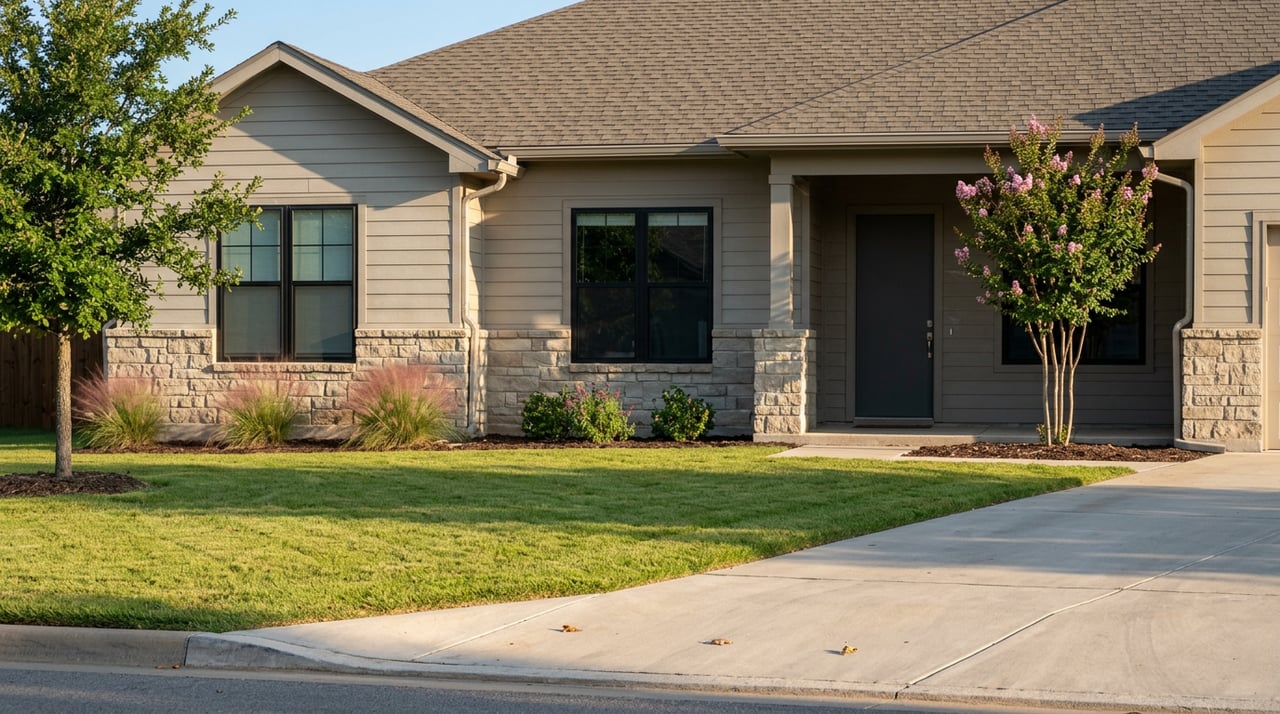
A buyer moving down from Austin walks into a new-construction sales office in Park Meadows, sees a floor plan she likes, and asks the question every relocating buyer from a big metro asks first: "What's the MUD tax on this one?" In Austin, that question is reflexive. Most new subdivisions built in the last decade carry a Municipal Utility District line item, and it can add hundreds of dollars a month to a payment that looked affordable on the sign.
In Lorena, the sales rep pauses, because the answer isn't what she expects. There isn't a simple yes or no here. There's a structural reason why Lorena's new subdivisions don't behave like the MUD-heavy suburbs ringing Austin and Houston, and understanding that reason matters more than memorizing a single tax rate, because it tells you what to check before you sign a contract rather than after your first escrow statement arrives.
What a MUD Tax Actually Does to a Payment
A Municipal Utility District exists because a developer building outside city utility service needs someone to front the cost of water lines, sewer systems, and drainage before homes can go up. The MUD issues bonds to cover that infrastructure, then collects a separate property tax from every homeowner in the district to pay the debt down over 20 to 40 years. That tax rides alongside county, school, and city taxes on the same bill, and it doesn't get smaller just because you claim a homestead exemption, since MUDs are independent taxing entities that generally sit outside standard homestead relief.
The financial effect shows up clearly in combined-rate math from Austin and Houston-area MUD districts: a $400,000 home in one of these districts can land at $8,520 to $9,440 a year in total property taxes, compared to roughly $5,440 to $5,520 for the same home value without a MUD layered on top. That gap, in the 2.13% to 2.36% combined effective rate range, is why the question comes up unprompted the moment someone tours a new subdivision. It's a fair question. It's just answered differently in Lorena.
How Lorena's Water Actually Gets to the Tap
Lorena doesn't rely on a developer-formed MUD to deliver water and sewer service to its newer neighborhoods. The city's utility operation is run under the name McLennan County Water Control and Improvement District No. 1, an entity that also manages Comanche Springs, a longstanding local water source. This is a public water district that predates the current wave of new construction, not a district a builder petitioned to create for a single subdivision.
That distinction matters because it changes who's paying for what and when. A developer-formed MUD bonds out infrastructure for one project and spreads the debt across the homes built inside its boundary, which is why brand-new MUDs tend to carry the highest rates: a half-built subdivision of 200 homes can be repaying bonds sized for 500. A water control district tied to the city's existing system doesn't carry that same startup-phase debt load for every new phase that gets platted.
McLennan County's own list of taxing entities backs this up. The county maintains rate worksheets for cities, school districts, and special water districts side by side, including a separate one for Castleman Creek Water District elsewhere in the county. Special districts exist in McLennan County. Lorena's new subdivisions simply aren't running on a fresh one.
What the Actual Numbers Show
Here's where the comparison gets useful instead of theoretical.
| Area | Effective property tax rate | What's built into it |
|---|---|---|
| Lorena, ZIP 76655 | 1.58% | County, city, school district, and the established water control district, based on current McLennan County property tax records |
| McLennan County overall | 1.89% | Blended county, city, and school rates across all McLennan County cities |
| Typical MUD-loaded new-build subdivision, Austin or Houston metro | 2.13% to 2.36%, sometimes higher | Base county rate plus a separate MUD levy repaying developer-issued infrastructure bonds |
Lorena's median effective rate sits below the McLennan County median, not above it. That's the opposite of what you'd expect if these new subdivisions were quietly carrying a MUD surcharge the way comparable subdivisions do outside Austin or Houston. The median home price in Lorena's 76655 ZIP currently runs $327,240, with a median annual tax bill of $5,782, which is consistent with a rate structure that doesn't have an extra bonded utility district stacked into it.
There's a second, more concrete data point worth mentioning. Dunhill Homes, one of the builders active in Park Meadows, publishes its own payment estimate for its floor plans there, and that estimate assumes a 2% yearly tax rate. That's higher than Lorena's actual 1.58% median effective rate. If anything, a buyer running the builder's own numbers is more likely to overestimate their tax burden in Lorena than to be blindsided by an undisclosed one.
What This Means for the Subdivisions Actually Selling Right Now
Several communities are active in Lorena today, each built by a different company, which matters because tax treatment is decided property by property, not town by town. Park Meadows has homes from D.R. Horton and Flintrock Builders. Legacy at Park Meadows, built by Stylecraft, sits zoned to Midway ISD. Callan Village, built out by John Houston Homes and Dunhill Homes, falls in Lorena ISD, as does The Arches, a newer enclave of larger lots. Rosenthal Estates, developed on a 73-acre tract off Rosenthal Road, has drawn builders including Carothers Executive Homes and Flintrock Builders.
None of that changes the underlying infrastructure story. All of these communities sit inside the water service area run through the established county water control district rather than a subdivision-specific MUD. But "the pattern holds across the town" is not the same guarantee as "your specific lot is clear," and Texas law requires sellers and developers to disclose if a property sits inside a MUD or PID before closing. A future phase of any of these communities could, in theory, be structured differently than an earlier one. The responsible move is to verify the specific address, not the neighborhood name.
Here's how to do that before you're emotionally attached to a lot number:
- Request the property's tax certificate from the title company as soon as you go under contract, not after you're near closing.
- Pull the address up on the McLennan County Appraisal District site and read every taxing unit listed on the account, not just the county and school district lines.
- Ask the builder's sales representative directly whether the subdivision includes a MUD, PID, or separate water district, and ask for that answer in writing.
- Compare the builder's estimated payment against the actual taxing units on file, since some builder examples calculate tax on land value rather than the completed home's assessed value.
- If a PID does turn up, ask for the current annual installment and how many years remain on it, since PID assessments run for a fixed term and pay down differently than an open-ended MUD levy tied to bond balances.
That last step matters because a PID and a MUD aren't interchangeable, even though buyers often use the terms loosely. A PID funds a defined list of improvements like landscaping or sidewalks over a set number of years and then ends. A MUD funds water and sewer infrastructure and can run for decades. Knowing which one you might be looking at changes how you plan for it.
Two Questions Worth Asking Before You Sign
If Lorena's rate is already lower than the county average, does that mean my tax bill will stay low? Not automatically. Your bill is a function of your home's assessed value multiplied by the combined rate, and new-construction homes get appraised at full completed value on the following January 1, not the contract price you signed during the build. Budget for that first full-year reassessment, separate from the MUD question entirely.
Could a future phase of these subdivisions add a MUD or PID that doesn't exist today? It's possible. Development financing decisions get made phase by phase, and a builder or developer could structure a later section differently than an earlier one sold. This is exactly why the verification checklist above applies to your specific address and closing date, not to the subdivision's reputation as a whole.
The buyer in that Park Meadows sales office didn't get a simple yes or no, and neither should you. What she got, and what you should ask for, is the actual tax certificate for the actual lot, checked against the actual McLennan County Appraisal District record. That's the only version of this answer that holds up after closing.
If you're comparing new construction across Lorena's subdivisions and want a second set of eyes on what a specific lot's tax certificate actually says, Vianey Suarez works these communities along the I-35 corridor every week. Let's Connect before you write the offer, not after.