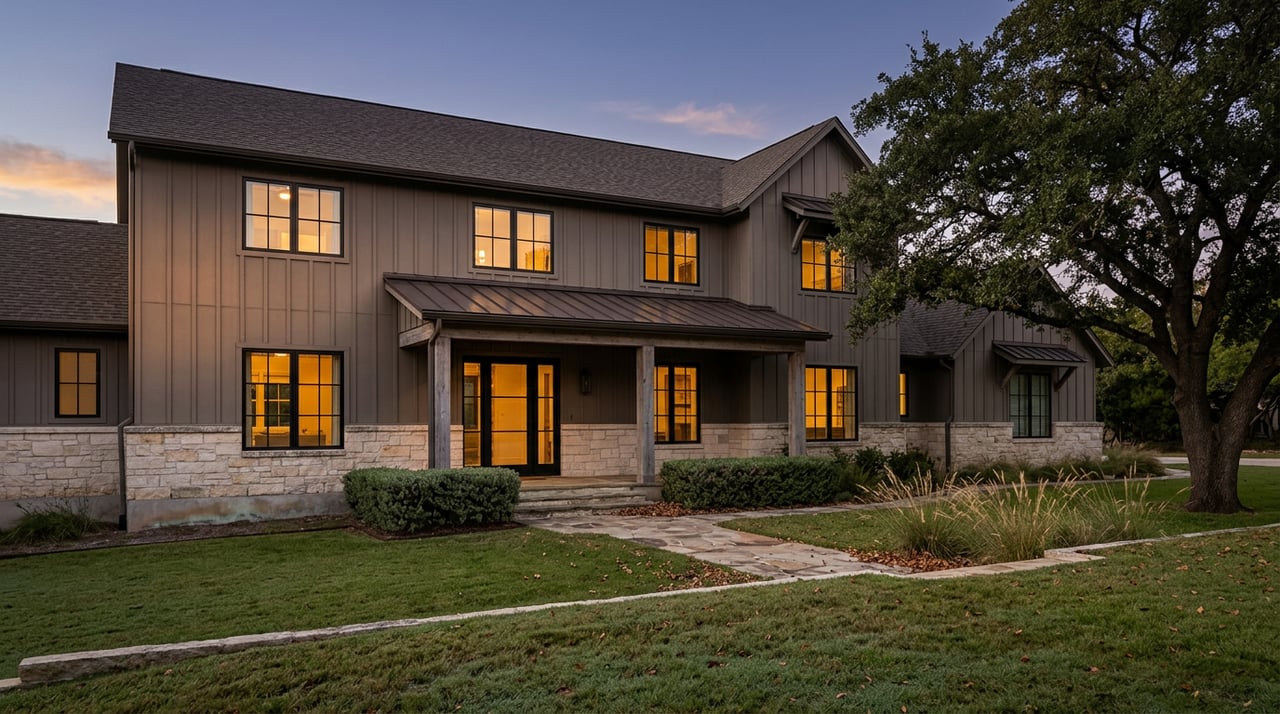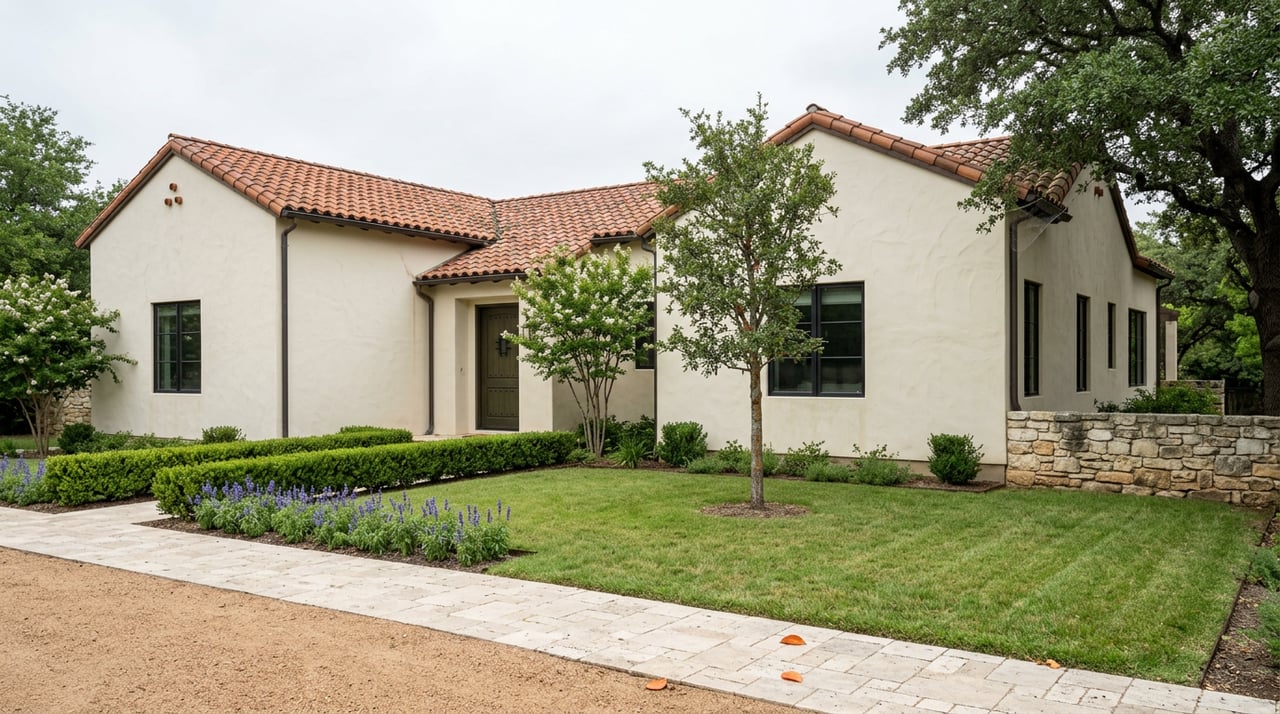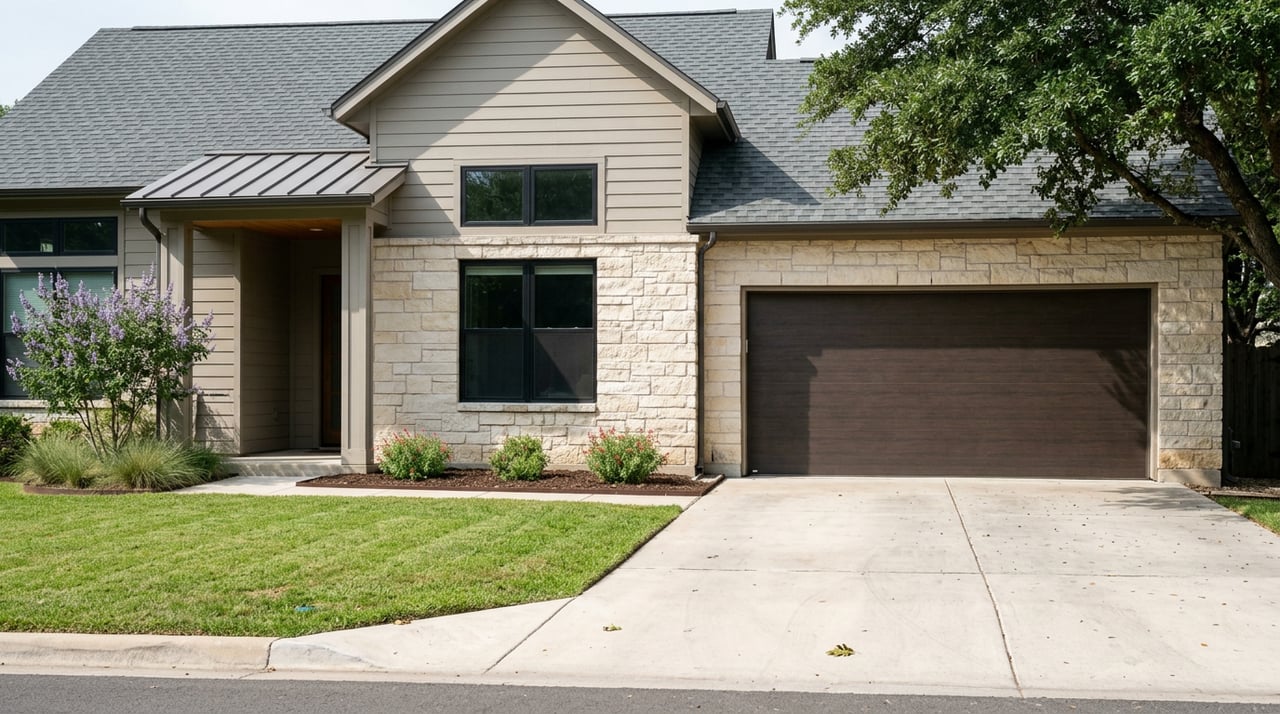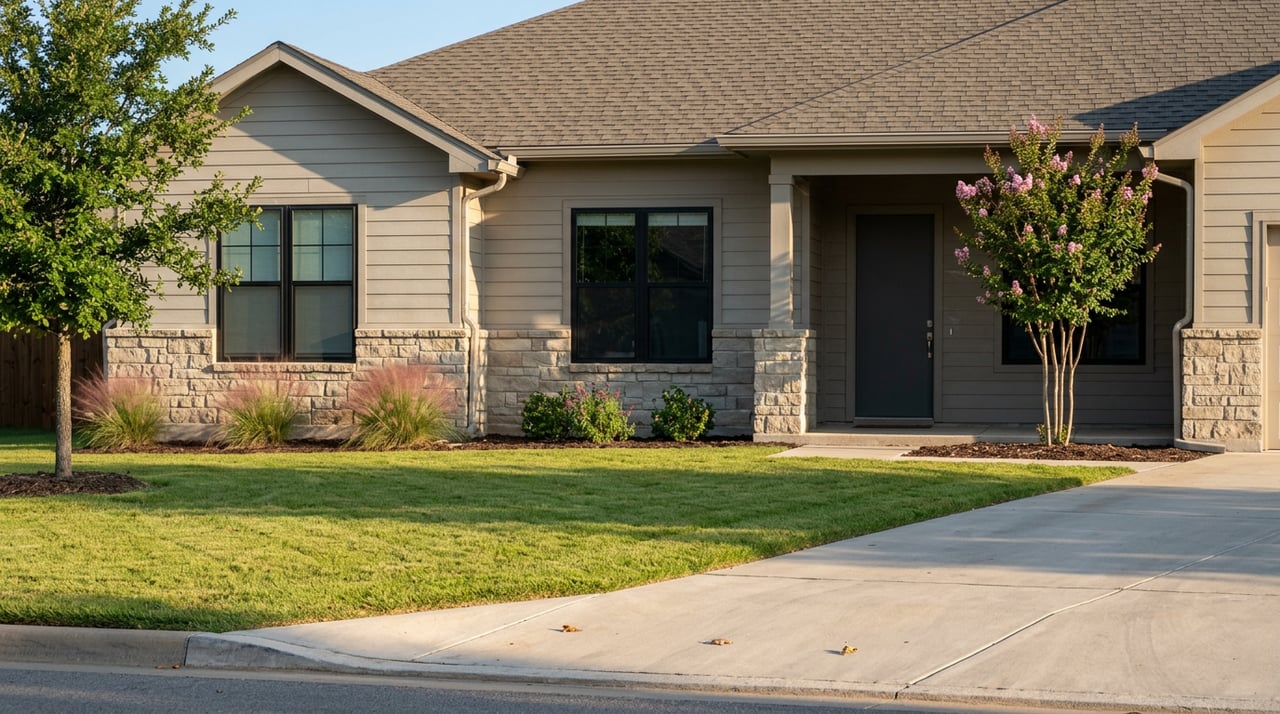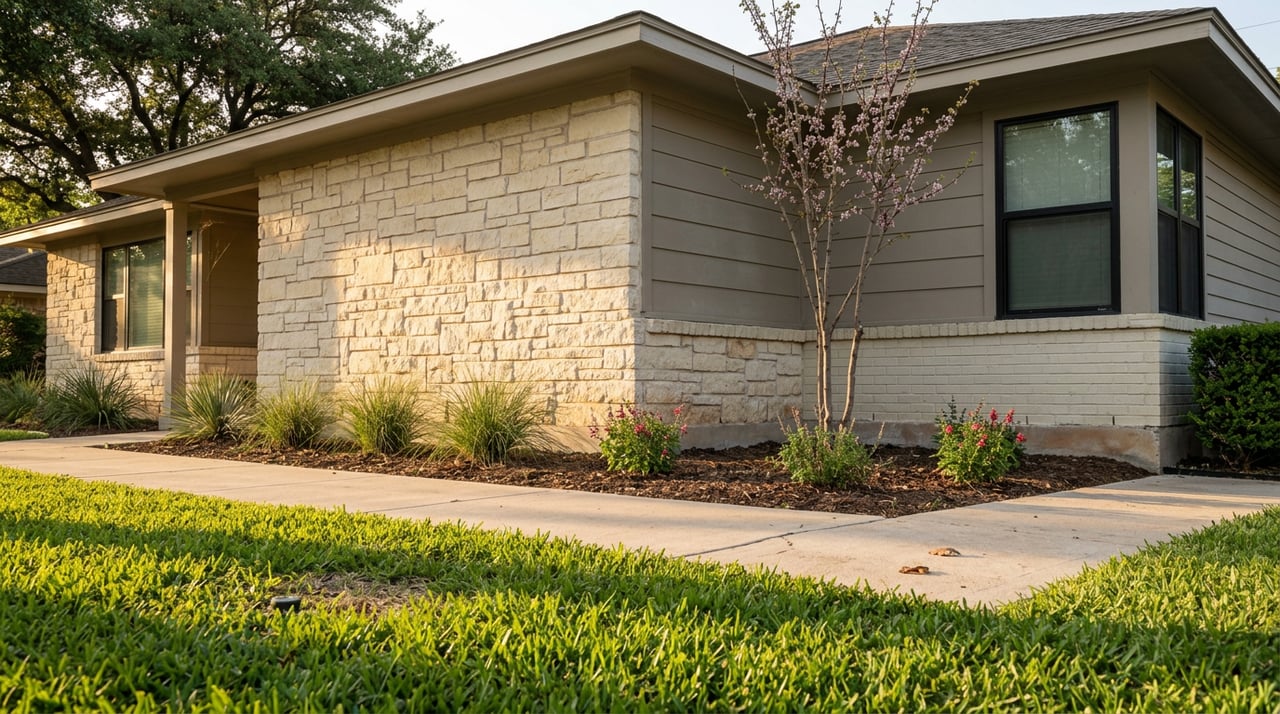
A buyer touring a freshly built home in one of the new subdivisions spreading across Robinson or north Waco will usually ask the right questions about square footage, finishes, and school zones. What they rarely ask is the one question that actually matters most in this market: what did the builder do to the ground before they poured the slab. The house looks perfect. The drywall has no cracks. The doors close without sticking. And still, some of the newest homes in the Waco area are more likely to develop foundation problems than homes built decades ago on the same street.
That is the part of buying here that catches people off guard. New does not mean safe. In Waco, it can mean the opposite.
The Ground Everyone Is Building On
Waco sits inside the Blackland Prairie, a band of dark, clay-heavy soil that runs from San Antonio up through Austin and into the Dallas area. The clay here is dominated by a mineral called montmorillonite, which absorbs water between its own crystal layers and physically swells when it rains, then contracts hard when the ground dries out. Engineers measure how reactive a soil is with something called a Plasticity Index. Building codes flag anything above 15 as expansive. The Houston Black clay series that covers much of Waco tests between 40 and 60, which puts it solidly in the severe category, not the borderline one.
That distinction matters because it changes how a foundation has to be built to survive here, and it explains why the same soil that supports a 1998 brick home without complaint can crack a 2024 slab within two years if the prep work underneath was rushed.
The New-Build Blind Spot
Waco is growing fastest on its north and west edges, in areas that were farmland for generations before they became subdivisions. That history is not cosmetic. Land that has been plowed, planted, and worked for decades has soil that has been loosened repeatedly, and it needs deliberate compaction before a slab goes on top of it. Skipping or shortcutting that step is one of the more commonly cited causes of new-construction foundation problems in the Waco area, according to local foundation repair specialists who see the pattern in newer neighborhoods built on former agricultural land, particularly around Robinson.
Put plainly: a builder pouring on undercompacted farmland soil, without accounting for how aggressively Houston Black clay moves, is setting up the same slab-bending stress that older homes usually only develop after twenty or thirty years of seasonal cycling. A buyer walking through a two-year-old home with a clean inspection report has no way to see that history just by looking at the walls.
A clean walk-through tells you what the house looks like today. It does not tell you what the soil underneath it was doing before the concrete went down.
The building code does address this. Under the amended residential code that Waco enforces, expansive soil triggers deeper footings, moisture barriers, and sometimes additional engineering beyond the baseline national standard, and a soil assessment before permitting typically runs $300 to $600. That is a modest cost against the alternative. Skipping it is exactly the kind of shortcut that shows up later as sticking doors and stair-step cracks in brick.
The Older-Neighborhood Counterpoint, With a Catch
It would be convenient to say established neighborhoods near the Brazos River or Cameron Park are simply safer because the ground has already settled. There is some truth to that. Soil closer to the riverbanks and valleys tends to run sandier and loamier rather than pure clay, and sandy loam is less expansive than Houston Black clay.
That is not the same as saying it is trouble-free. Sandy loam does not hold water well, and that creates its own version of instability, particularly during Central Texas drought stretches followed by heavy rain. The difference is less about which neighborhood is risk-free and more about which failure mode you are dealing with. Clay-heavy new subdivisions tend to show shrink-swell movement tied to compaction quality. Older, sandier-soil neighborhoods tend to show erosion-driven settling tied to drainage and grading age. Neither is automatically the safer bet. Both require the same basic diligence at the inspection table.
What to Actually Check Before You Offer
For a buyer close to writing an offer in Waco, the practical version of all this comes down to a short list of things worth confirming, regardless of whether the home was built last year or thirty years ago:
- Ask whether a pre-construction soil assessment was performed, and ask to see it. This is standard practice, not an unusual request, and a builder or listing agent who cannot produce one is telling you something.
- Walk the exterior and interior specifically looking for stair-step cracks in brick, gaps opening around window and door frames, and doors that stick more at one time of year than another. These are the classic early signs of shrink-swell movement.
- Find out if the slab is post-tensioned before anyone drills into it for any reason, including satellite mounts or deck footings. Most Texas slabs built after the mid-1980s use steel tendons under tension, and cutting one without locating it first is a serious safety issue as well as a costly repair.
- If the home sits in a newer subdivision built on what used to be farmland, ask directly how the pad was graded and compacted before the pour. This is the single most relevant question a relocating buyer is unlikely to think to ask.
- Have gutters and drainage evaluated even on new construction. Grading that pools water near the foundation accelerates clay movement regardless of how well the slab itself was built.
None of these steps require an adversarial posture with a builder or seller. They are the same questions a longtime Central Texas resident already knows to ask, and they are exactly the kind of due diligence that separates a smooth closing from a surprise repair bill eighteen months in.
Where This Connects to Your Property Tax Bill
There is a second, less obvious place where foundation condition matters in a Waco transaction, and it has nothing to do with buying. If you already own a home here, McLennan County's appraisal protest deadline falls on May 15 each year, or 30 days after your notice of appraised value is mailed, whichever is later. Photographic evidence of condition issues, including foundation cracks, is one of the accepted categories of evidence property owners can present to the Appraisal Review Board when arguing that a home's assessed value is too high. A homeowner who has documented shrink-swell cracking from a prior season has real material to bring to that hearing, not just a general complaint that the bill went up again.
For sellers, this cuts the other way. Foundation condition is one of the first things a buyer's inspector will flag, and being upfront about any prior repairs, along with the paperwork for them, tends to keep a transaction moving rather than stalling it at the option period.
A Few Direct Questions
Does a newer subdivision in Waco still need an independent foundation inspection? Yes. New construction on former farmland can be more exposed to shrink-swell movement than an established home, not less, if the soil underneath was not properly compacted before the pour.
How do I know if a slab is post-tensioned before I have any work done? Ask the builder or seller directly, and if that information is not available, have a professional locate the tendons before anyone drills, cuts, or anchors anything into the slab.
Can foundation condition affect my property tax protest? It can. Photos documenting cracks or other condition issues are an accepted category of evidence in a McLennan County appraisal protest, and the filing deadline is May 15 or 30 days after your notice arrives, whichever comes later.
Buying or selling in a market built on this kind of soil is not a reason for alarm. It is a reason to ask better questions than the ones most out-of-town buyers think to ask, and to work with someone who already knows which neighborhoods carry which version of this risk. If you are weighing a home in Waco, whether it was finished last month or built before anyone thought to test the soil first, Vianey Suarez can walk the specifics with you before you write an offer. Let's Connect.