Thinking about trading Austin or Dallas traffic for a little more space and a different pace? If Waco is on your radar, you are not alone. A move here can mean lower housing costs, shorter typical commutes, and a smaller-city feel, but it also comes with its own market realities and planning steps. Here’s what you should know before relocating to Waco from Austin, Dallas, or beyond. Let’s dive in.
Why Waco draws Texas relocators
Waco offers a very different scale than Austin or Dallas. The city’s 2025 population estimate is 147,788, compared with more than 1 million in Austin and more than 1.3 million in Dallas. It is also less dense, which often translates to a less crowded day-to-day experience.
For many buyers, the biggest draw is cost. Census data shows a median owner-occupied home value of $221,700 in Waco, compared with $555,300 in Austin and $320,700 in Dallas. Median gross rent is also lower in Waco at $1,165, versus $1,729 in Austin and $1,472 in Dallas.
That does not mean every home in Waco is inexpensive or that every area fits every budget. It does mean Waco is often a more accessible landing spot for buyers and renters who want to stay on the I-35 corridor without paying big-metro prices.
What daily life feels like in Waco
A move to Waco is usually as much a lifestyle decision as a financial one. Waco’s official city profile highlights a mix of history, recreation, museums, and arts organizations, including the Dr Pepper Museum, the Texas Ranger Hall of Fame and Museum, the Texas Sports Hall of Fame, and the Waco Mammoth National Monument.
In practical terms, that points to a city with a strong local identity. Instead of the constant scale and speed of a major metro, you may find a more defined small-city rhythm with familiar destinations and easier day-to-day navigation.
If you are moving from Austin or Dallas, it helps to reset expectations. Waco is not trying to be either of those cities. The appeal is different: less sprawl, less density, and often a more manageable routine.
Commute expectations in Waco
One of the clearest quality-of-life shifts is commute time. Waco’s mean travel time to work is 18.7 minutes, compared with 23.7 minutes in Austin and 25.7 minutes in Dallas. That shorter average can be a real benefit if you are used to building your day around traffic.
At the same time, Waco is still a car-first city. With a Walk Score of 35 and a Bike Score of 39, most relocators should expect to drive for work, errands, and appointments.
If you plan to commute along I-35 or travel regularly toward Austin, Temple, or Dallas, test that drive at the actual time you would make it. A home that looks convenient on a map can feel different during weekday traffic.
Waco housing market at a glance
Waco’s housing market looks different from both Austin and Dallas in price, pace, and inventory. Recent market snapshots show a median sale price of $271,450 in Waco, compared with $498,702 in Dallas and $542,460 in Austin. Median sale price per square foot is also lower in Waco at $170, versus $248 in Dallas and $320 in Austin.
Homes in Waco have been spending about 56 days on market, compared with 40 days in Dallas and 48 days in Austin. That can give some buyers a little more room to evaluate options, but it should not be confused with unlimited inventory or easy choices.
Waco’s Strategic Housing Plan says the city lacks adequate inventory and describes a housing mismatch. So while prices may feel more approachable, finding the right fit can still take strategy and patience.
What kinds of homes you will find
Waco’s housing stock is heavily shaped by single-family homes. The city’s Strategic Housing Plan says nearly 63% of inventory is single-family detached or attached. It also notes that single-family detached homes accounted for 77% of housing growth from 2010 to 2019, while only 540 multi-family units were built during that decade.
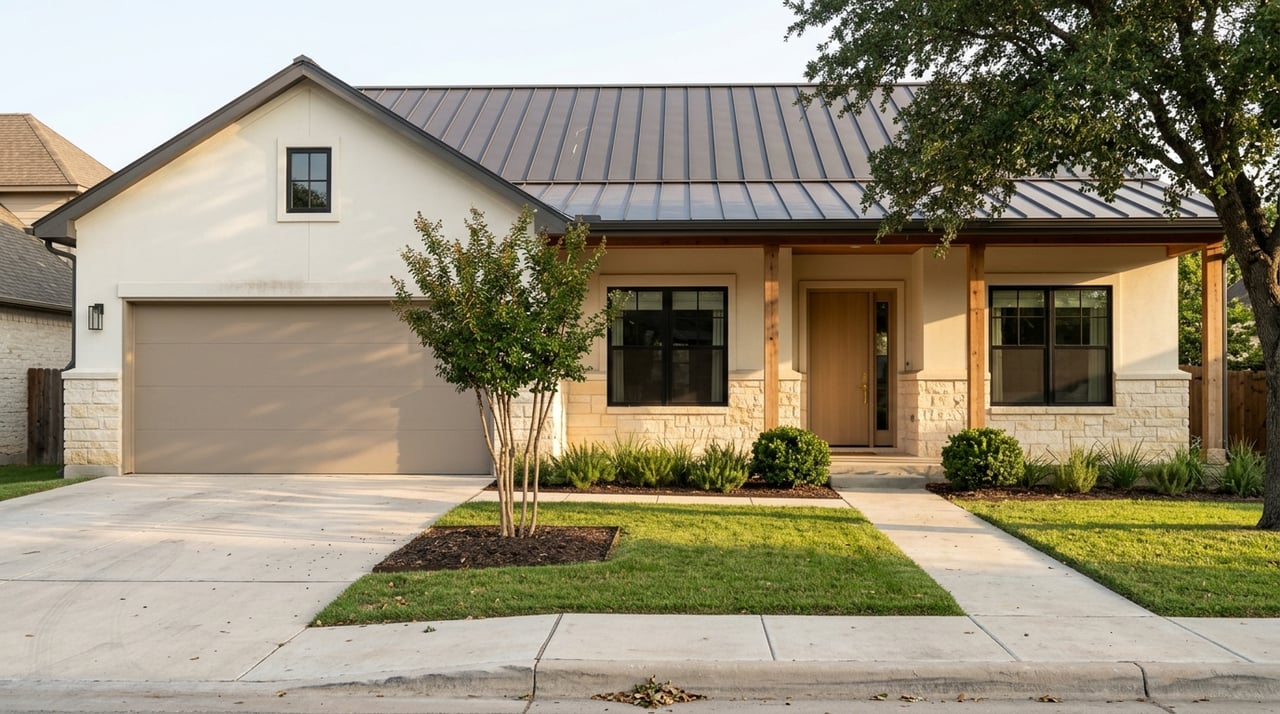
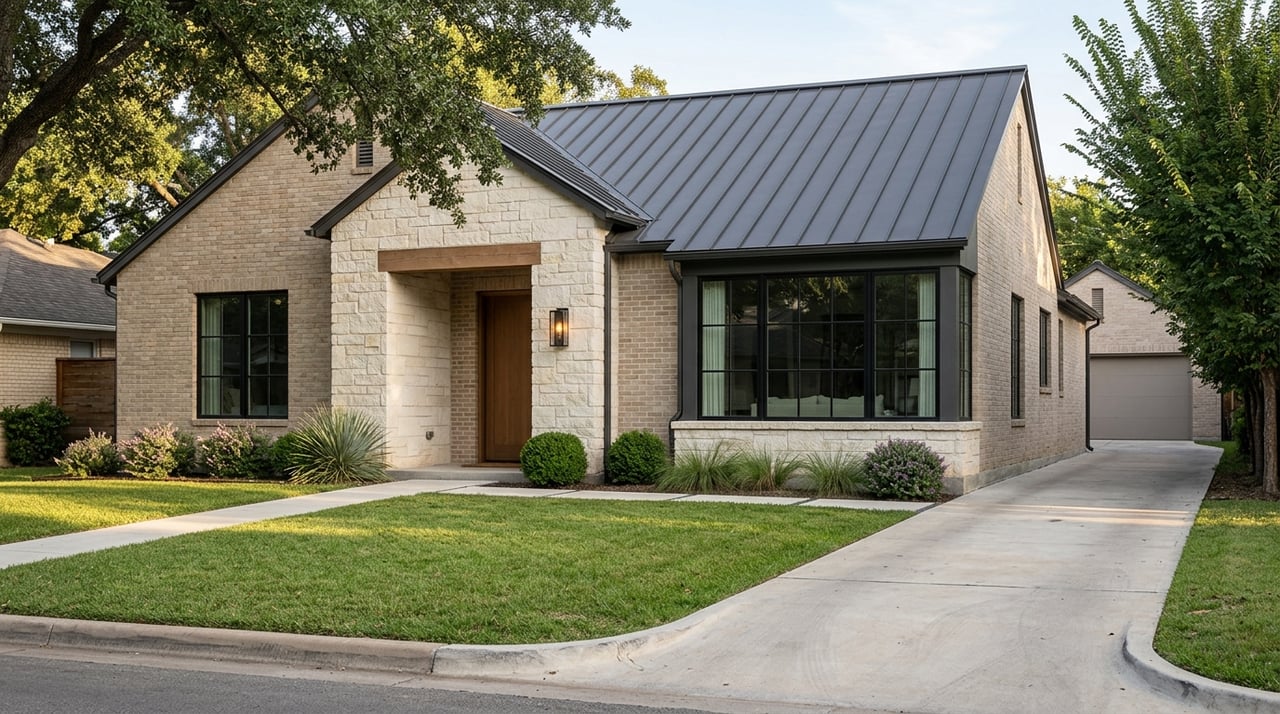
That matters if you are coming from a more urban housing mix. In Waco, your search may lean more toward detached homes, established neighborhoods, and suburban-style living than condos or dense multi-family options.
Neighborhood character can vary quite a bit. The city notes a range that includes downtown’s densely populated historic residential areas, older suburban neighborhoods, and newer suburban neighborhoods on the edge of the city. That range gives buyers several paths depending on commute, home age, lot size, and lifestyle priorities.
Waco versus nearby McLennan County options
If you are relocating, it helps to compare Waco proper with nearby areas across McLennan County. Countywide, the 2025 population estimate is 272,020, median household income is $66,643, and mean travel time to work is 21.2 minutes.
There is also a difference in ownership patterns. Waco city is 49.4% owner-occupied, while McLennan County is 61.8% owner-occupied. That suggests the county market is more homeowner-heavy than the city core.
For you, that can mean more than one relocation path. Some buyers want to stay close to central Waco amenities, while others prefer nearby communities that offer a different pace, housing style, or lot configuration.
Smart steps before you buy in Waco
Relocating goes more smoothly when you narrow your search with local details in mind. Before you start writing offers, focus on the factors that affect day-to-day life and long-term flexibility.
Compare areas by commute and home style
Use Waco’s official neighborhood directory to sort through areas such as Austin Avenue, Brook Oaks, Downtown, Richland Hills, and West Waco. This can help you compare neighborhood character, home age, and access routes before you spend a weekend touring homes.
If you are buying from out of town, a virtual-tour-first approach can save time. In a car-dependent market, it helps to shortlist homes based on commute patterns and neighborhood layout before visiting in person.
Check floodplain status early
If a property is near water or in an older area, verify floodplain status as early as possible. The City of Waco says floodplain development requires compliance with its Flood Protection and Prevention Ordinance, FEMA regulations, and a Floodplain Development Permit.
The city also notes that homeowner’s insurance generally does not cover rising water. That makes early due diligence especially important when comparing homes that seem similar on price alone.
Confirm zoning before making plans
If you are hoping to add a workshop, build an accessory structure, expand the home, or change lot use, check zoning and land-use rules before you buy. Waco’s Zoning & Land Use guidance says the Comprehensive Plan and land-use map help guide zoning decisions.
This step matters for buyers who want flexibility after closing. It is much easier to confirm what is allowed up front than to discover limits after you move in.
Budget carefully for older homes
Character homes can be appealing, especially in established parts of Waco. But the city’s housing plan emphasizes the preservation of older neighborhoods and rehabilitation of deteriorating housing stock, which is a reminder that older properties may need more inspection focus and repair planning.
That does not mean you should avoid them. It means you should go in with clear expectations, a thoughtful inspection strategy, and a realistic repair budget.
How to make your relocation easier
The best relocation plans are specific. Rather than searching all of Waco at once, start with your non-negotiables: budget, commute, preferred home style, and how much updating you are comfortable taking on.
From there, compare Waco proper with nearby McLennan County options and think honestly about your daily routine. If you are used to a denser metro, the adjustment is often less about square footage and more about driving patterns, neighborhood layout, and how you want your week to feel.
A local guide can also help you avoid wasting time on areas that do not fit your goals. That is especially useful if you are relocating from Austin, Dallas, or another city and need to make decisions efficiently.
If you are planning a move to Waco, working with a local advisor can help you compare neighborhoods, narrow your search, and move forward with more clarity. When you’re ready to start, connect with Vianey Suarez.
FAQs
What is the biggest difference between moving from Austin or Dallas to Waco?
- The biggest shift is usually scale. Waco is smaller, less dense, typically less expensive for housing, and more car-dependent than Austin or Dallas.
Is housing in Waco more affordable than Austin and Dallas?
- Based on the research report, yes. Waco shows lower median home values, lower median sale prices, lower price per square foot, and lower median gross rent than both Austin and Dallas.
What is the commute like when living in Waco?
- Waco’s mean travel time to work is 18.7 minutes, which is shorter than Austin and Dallas, but most residents still rely on a car for daily travel.
What types of homes are common in Waco?
- Waco’s housing inventory is dominated by single-family detached or attached homes, with a mix of historic residential areas, older suburban neighborhoods, and newer suburban neighborhoods.
What should buyers check before purchasing an older home in Waco?
- Buyers should plan for thorough inspections and a realistic repair budget, since the city’s housing plan notes ongoing preservation and rehabilitation needs in older housing stock.
What should relocating buyers verify before buying near water in Waco?
- Buyers should verify floodplain status early, because floodplain development has city permit and compliance requirements, and homeowner’s insurance generally does not cover rising water.