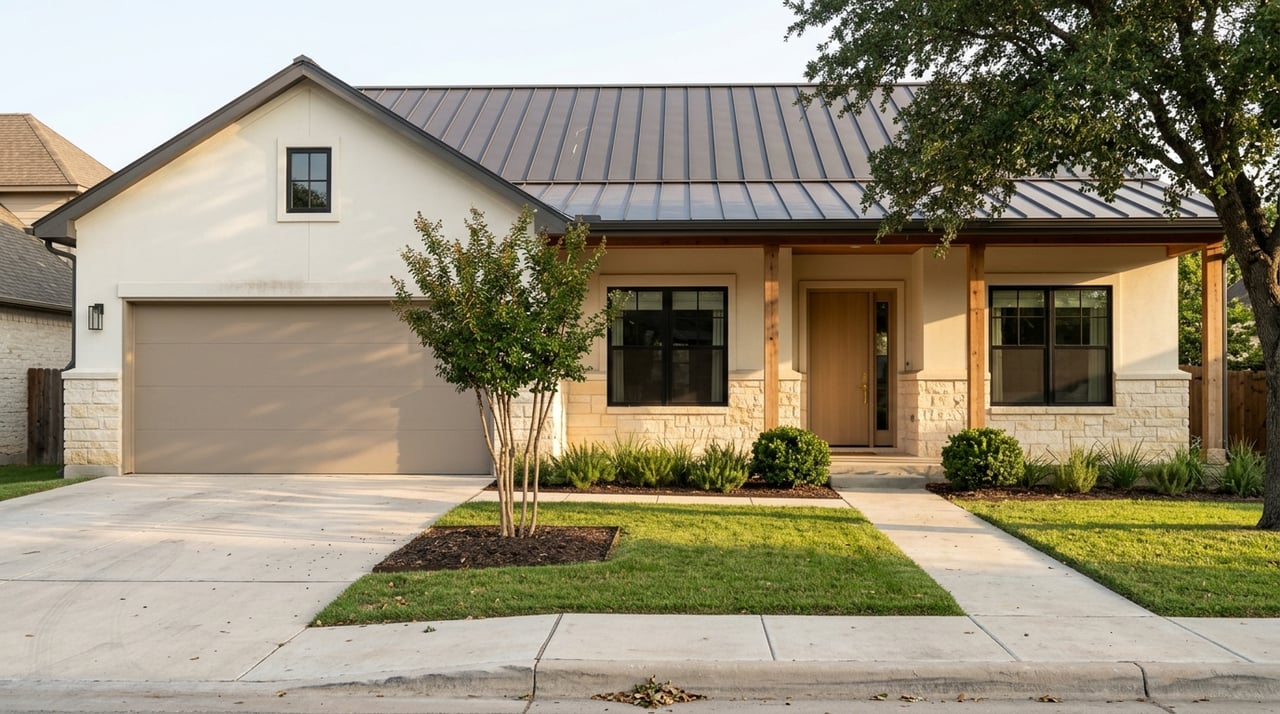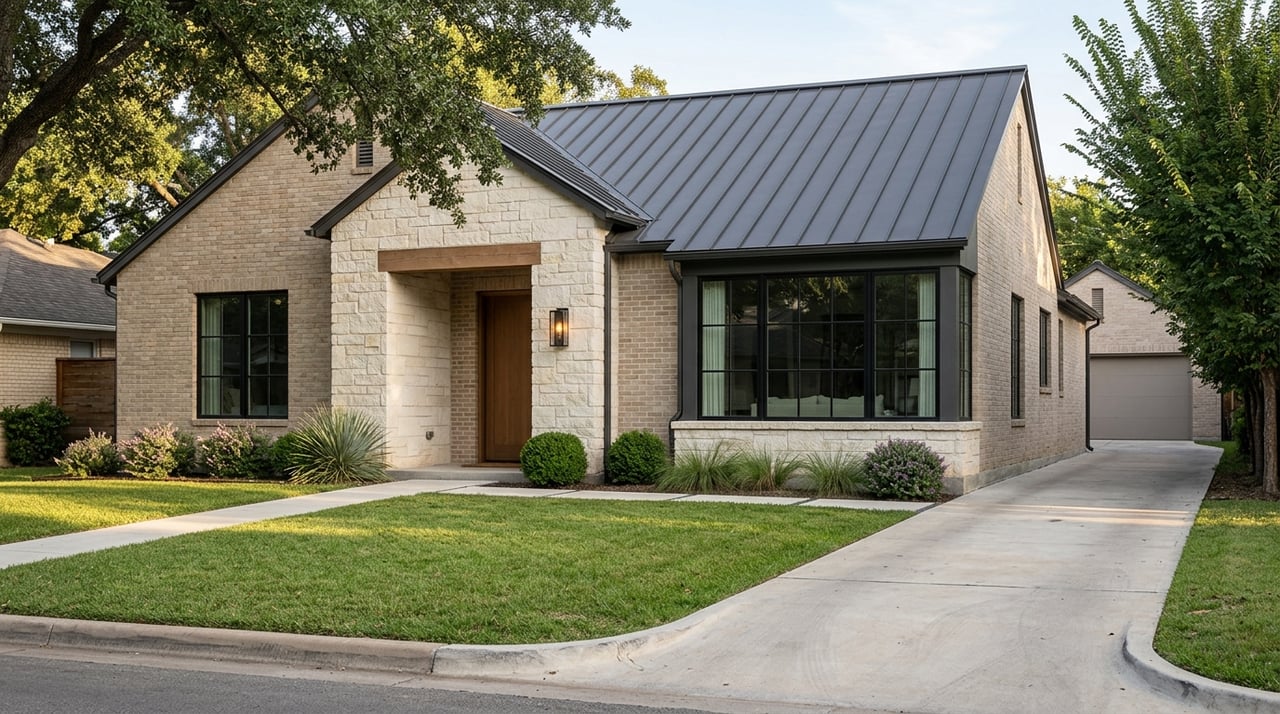
If you are thinking about selling in Waco, one question matters more than almost anything else: How do you price and prepare your home so it stands out without leaving money on the table? That can feel stressful, especially when headlines about the housing market do not always match what is happening in your part of town. The good news is that a smart, local strategy can help you move forward with clarity. In this guide, you will learn how to price, prepare, market, and close on your Waco home with more confidence. Let’s dive in.
Why Waco pricing starts local
One of the biggest mistakes sellers can make is relying on broad market averages instead of looking closely at their own micro-market. Recent June 2026 data shows that Waco city had a median listing price of $275,000 and about 65 median days on market, while McLennan County came in near $302,000 with 63 median days on market. At the same time, the broader Waco metro and statewide numbers looked very different.
That spread matters because it shows how much pricing can change depending on the exact area. A citywide average does not tell the full story if your home is in a neighborhood, ZIP code, or pocket of Waco that attracts a different buyer pool. In this market, sellers are usually better served by pricing from nearby comparable homes rather than from county or state headlines.
Neighborhood-level differences reinforce the point. June 2026 figures showed median listing prices ranging from about $182,450 in Baylor to about $339,450 in North Lake Waco. ZIP-level medians also varied, with areas like 76705 around $279,750 and 76710 around $302,500.
What the current market means for sellers
Both Waco city and McLennan County were classified as buyer’s markets in June 2026. That may sound discouraging at first, but the full picture is more balanced than that label suggests. Homes were still selling at roughly 99% of list price in both the city and county when priced well.
That tells you something important. Buyers are still willing to pay close to asking price when a home is presented well and launched at the right number. The risk is usually not pricing a little sharp. The bigger risk is overpricing and watching days on market climb while interest cools.
For many sellers, this means the first list price matters more than ever. A strategic launch can help protect your leverage, while an inflated starting point can lead to price reductions and a weaker negotiating position later.
How Waco housing patterns affect your strategy
Waco is not one-size-fits-all, and your selling plan should reflect that. According to the City of Waco housing plan, single-family detached homes make up 60.3% of the city’s housing stock, while McLennan County is much more heavily detached at 89.6%. That gives you a sense of how different the city and county can feel from a housing perspective.
The same plan notes that 96.5% of Waco homeowners live in detached homes, while 44.4% of renters live in multifamily buildings with five or more units. It also identifies college students as a major driver of the rental market. In practical terms, that means a home near student-serving areas may attract different interest than a detached home in a more suburban setting.
Your marketing should match the likely buyer. Some buyers may focus on layout, yard space, parking, and move-in condition. Others may pay closer attention to location, flexibility, and the home’s fit for a specific use pattern. The key is not to market every Waco listing the same way.
Price to the neighborhood, not the headline
A smart pricing strategy starts with the homes buyers will compare yours against. That usually means recent nearby sales, active competition, and current buyer expectations in your immediate area. In Waco, that local approach is especially important because the city, county, and metro numbers can point in different directions.
It also helps to think beyond square footage alone. Condition, updates, lot characteristics, and location within the neighborhood can all influence pricing. If two homes are similar in size but one has clearer maintenance history and stronger presentation, buyers may respond very differently.
This is where experienced local guidance can make a real difference. When your pricing strategy is grounded in your exact area and buyer pool, you are in a much better position to attract serious interest early.
Prepare your paperwork before listing
In Texas, most sellers of one-dwelling residential real property must provide a seller’s disclosure notice under Texas Property Code Section 5.008. The current TREC Seller’s Disclosure Notice is not a warranty. It is a statement of your knowledge about the property’s condition, and it is meant to be used alongside inspections.
Because of that, one of the best things you can do before listing is gather your records early. This can make the process smoother, reduce stress during negotiations, and help you answer buyer questions with confidence.
Useful items to collect include:
- Repair invoices
- Permit records
- Survey documents
- HOA paperwork, if applicable
- Flood or insurance history
- Records related to major systems or past repairs
Getting organized on the front end can also help you avoid delays once your home is under contract.
Disclose clearly and early
The Texas seller’s disclosure form asks about several high-visibility property issues. These include working systems and fixtures, roof age and condition, foundation or slab issues, drainage, termites or wood damage, water damage, flood claims, flood insurance, HOA fees and assessments, easements, unpermitted alterations, and conditions that materially affect health or safety.
For many sellers, the best approach is simple: document known issues clearly instead of hoping they stay hidden until inspection. Buyers often respond better to transparency than to surprises. Clear disclosures can help create more trust and more productive negotiations.
This matters in Waco because pricing and condition are closely tied in the current market. If your home is priced appropriately and your disclosures are handled well, you are more likely to keep the transaction moving forward.
Know when extra paperwork may apply
If your property is part of an HOA or includes common areas or shared interests, expect more documentation. The TREC disclosure form specifically asks about HOA-related fees, assessments, and other shared property details. That can add steps compared with selling a stand-alone house with no association.
This does not need to be overwhelming, but it does mean preparation matters. If you know your property includes association obligations, it is wise to gather those documents before your listing goes live. That way, you can respond faster when buyers start asking questions.
Focus on the repairs buyers notice most
Not every repair carries the same weight in a sale. Based on the Texas disclosure form, the issues that tend to draw the most attention are the ones tied to structure, moisture, and major systems. These are the items buyers and inspectors will often examine closely.
Before listing, pay special attention to:
- Roof age and visible roof condition
- Foundation or slab concerns
- Drainage issues
- Termite or wood damage history
- Past or present water damage
- Flood claims or flood insurance history
- Unpermitted alterations
That does not mean you have to fix everything before you sell. It does mean you should know what you are working with and be ready to explain or document it.
Tailor your marketing to your buyer
In a market where homes can still sell close to list price, presentation matters. Buyers want to understand quickly why your home fits their needs, and that message should reflect the kind of buyer most likely to purchase in your area.
For example, a suburban detached home may benefit from strong presentation around floor plan, yard use, parking, and move-in readiness. A property in a more rental-influenced area may need positioning that speaks to a different set of priorities. The details should support the home’s likely audience rather than follow a generic template.
This is where polished marketing helps. Strong visuals, thoughtful positioning, and a listing strategy built around the home’s specific micro-market can improve the quality of showings and buyer interest.
Set showing expectations around market timing
If you are wondering how long it may take to sell, recent local figures offer a useful benchmark. Waco city was around 65 median days on market, McLennan County around 63 days, and the broader Waco metro around 57 days. Still, those numbers are only a starting point.
Your actual timeline will depend on price, condition, presentation, and competition. A well-prepared home in the right price range can move faster than the broader average. An overpriced or poorly positioned listing may sit longer, even in the same ZIP code.
That is why strategy matters from day one. The goal is not just to list your home. The goal is to launch it in a way that gives you the best chance at a timely, solid result.
Plan your net proceeds early
Many sellers focus on sale price first, but your net matters just as much. In Texas, there is no transfer tax on transactions conveying fee simple title to real property. That means your final number will usually be shaped more by mortgage payoff, title and escrow charges, prorated taxes, and any negotiated repairs or credits.
The Texas Department of Insurance notes that closing includes paying delinquent taxes if any are due, properly prorating current taxes between buyer and seller, recording the necessary title papers, and disbursing proceeds. In other words, the closing statement reflects both the contract terms and the property’s financial paper trail.
A cleaner plan is to confirm the following early:
- Your current mortgage payoff amount
- Any liens or judgments tied to the property
- HOA amounts, if applicable
- Possible repair credits or negotiated costs
- A seller net sheet from the title company
Reviewing those items before you are deep into the transaction can help you avoid last-minute surprises.
A simple Waco seller roadmap
If you want a practical way to think about selling in Waco right now, keep it simple. Price to the neighborhood, disclose early, document condition, and plan ahead for closing costs and payoffs. That approach fits both the local market data and Texas selling requirements.
You do not need to control every part of the market to sell successfully. What you can control is your pricing strategy, preparation, presentation, and response time. Those are the pieces that help you sell with more confidence.
Selling a home is a big move, and it should feel supported, not rushed. If you are getting ready to sell in Waco, Woodway, Hewitt, Lorena, or nearby Central Texas communities, Vianey Suarez can help you build a strategy that fits your home, your timeline, and your goals.
FAQs
How long does it take to sell a home in Waco?
- Recent local figures showed about 65 median days on market in Waco city, about 63 days in McLennan County, and about 57 days in the broader Waco metro, though your timeline can vary based on pricing, condition, and presentation.
What disclosures do Texas home sellers usually need?
- Most sellers of one-dwelling residential property in Texas must provide a seller’s disclosure notice that covers known property conditions such as roof, foundation, drainage, water damage, flood history, HOA details, and other material issues.
What repairs matter most before selling a Waco home?
- The items that usually deserve the most attention are roof condition, foundation or slab issues, drainage concerns, termite or wood damage, water damage, flood-related history, and unpermitted work because those issues are specifically highlighted in the Texas disclosure form.
What does the final seller net include in Texas?
- Texas sellers usually focus on mortgage payoff, title and escrow charges, prorated taxes, HOA-related amounts if applicable, and any negotiated repairs or credits, since Texas does not impose a transfer tax on these transactions.
Why should Waco sellers price by neighborhood?
- Waco market data shows meaningful price differences across the city, county, and individual neighborhoods, so nearby comparable homes usually provide a more accurate pricing guide than broad market averages.