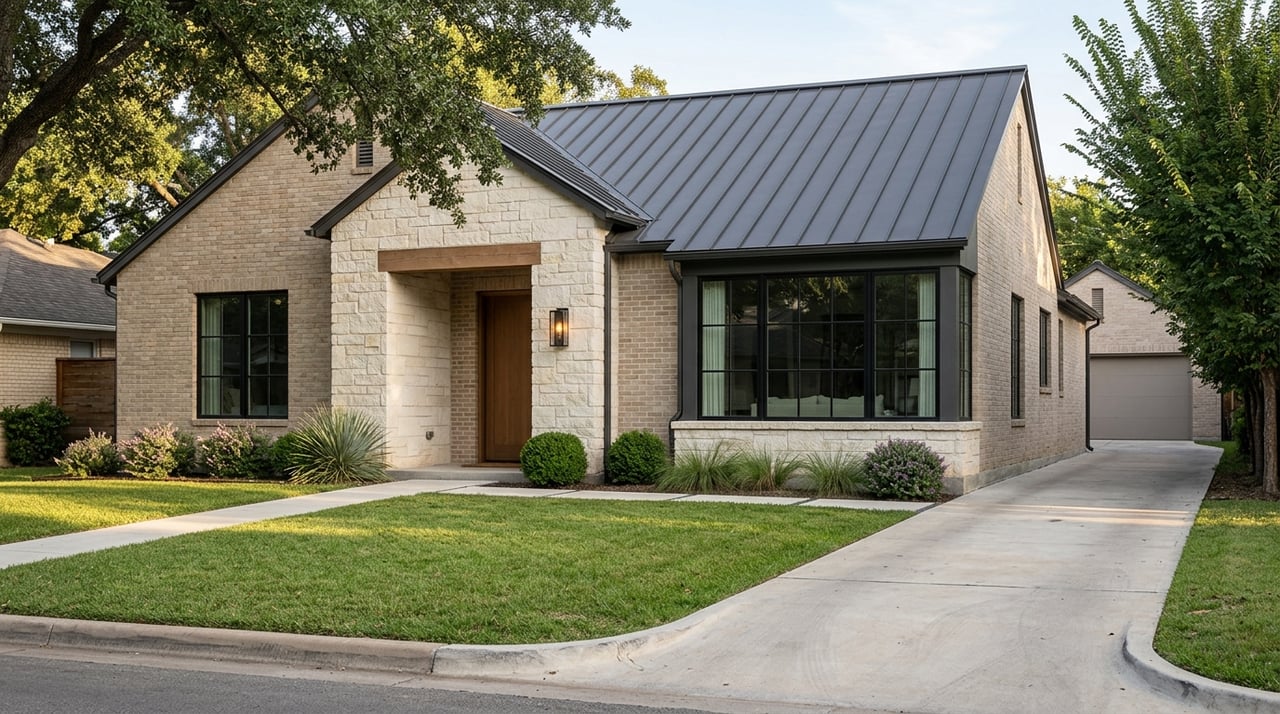
If you are thinking about a move to Central Texas, Waco often lands in that sweet spot between small-town comfort and city convenience. You may want a place with room to breathe, a manageable commute, and neighborhoods that each feel a little different. The good news is that Waco offers all of that, along with a strong local identity shaped by history, outdoor spaces, and everyday practicality. Let’s take a closer look at what it’s really like to live in Waco as a local.
Waco Has a Balanced Pace
One of the first things many people notice about Waco is its pace. It is a mid-sized city with an estimated 146,608 residents in 2024, spread across 88.9 square miles. That size gives you access to city essentials while still keeping daily life more neighborhood-driven than overwhelming.
Waco also sits on the I-35 corridor between Dallas and Austin, which matters in day-to-day living. You are connected to larger metro areas, but you are not living in the middle of one. For many residents, that balance is a big part of the appeal.
Daily Life Feels Local
Living in Waco often means your routines are shaped by familiar places and community landmarks. The city is home to Baylor University, McLennan Community College, and Texas State Technical College, and those institutions help shape the local rhythm. They bring energy, events, and a steady sense of activity without making the city feel too large.
Waco also has a distinct cultural identity. The city highlights museums, historic homes, arts organizations, the birthplace of Dr Pepper, the Texas Ranger Hall of Fame and Museum, and the Texas Sports Hall of Fame as part of its local character. That mix gives Waco a recognizable personality that feels rooted rather than generic.
Housing Options Vary by Area
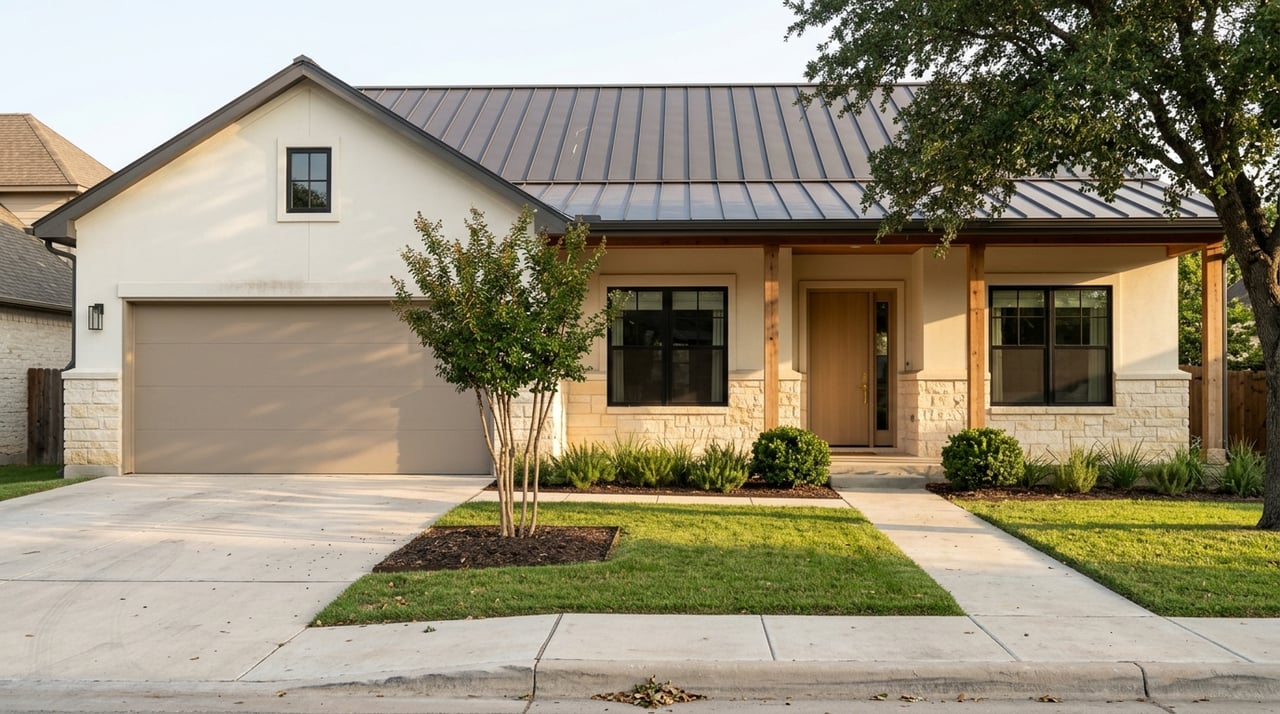
If you are wondering what kind of home you can find in Waco, the short answer is that you have options. The city’s planning documents describe a broad mix of rural, suburban, urban, medium-density, mixed-use, industrial, and institutional areas. In practical terms, that means Waco includes single-family homes, large-lot properties, duplexes, townhomes, condos, apartments, and mixed-use areas.
That variety matters because not every buyer wants the same lifestyle. Some people want to be closer to downtown and older neighborhoods, while others prefer newer suburban areas on the edge of the city. Waco gives you a chance to compare those different living environments without having to leave the market entirely.
Historic Areas Add Character
For many locals, part of Waco’s appeal is its historic character. The city describes Austin Avenue as an area rich in history and architectural diversity, with preserved homes and a nearby commercial corridor. Sanger Heights is identified as one of Waco’s oldest neighborhoods, known for tree-lined streets and an active neighborhood association.
Waco also has a preservation program designed to protect historic homes, neighborhoods, landmarks, and historic overlay districts. That tells you something important about the city. In Waco, older homes and established areas are not just leftover pieces of the past. They are part of the city’s identity and ongoing story.
Waco Can Be More Practical Than People Expect
A big part of living well in any city is whether your day feels manageable. In Waco, the mean travel time to work is 18.7 minutes. That suggests many residents are able to get around without the long commute times that are common in larger metro areas.
For people who want or need public transportation, Waco Transit System adds another layer of convenience. The system provides fixed-route city service, ADA-accessible buses, demand-response paratransit, and live bus tracking. Some routes also connect downtown with Baylor housing and other everyday shopping and dining destinations.
Regional Travel Is Easy to Access
Waco’s location makes it useful for people who travel around Central Texas for work, family, or weekend plans. Being on the I-35 corridor means Dallas and Austin are part of the broader regional picture. That can be especially helpful if you want a smaller home base while staying connected to larger job markets or major city amenities.
The city also notes that Waco Regional Airport is about five miles northwest of downtown. It offers commercial service through American Eagle to Dallas-Fort Worth. For residents, that means you have a local airport option without always needing to start your trip with a long drive.
Outdoor Living Is Part of the Lifestyle
If you enjoy spending time outside, Waco has a lot to offer. The Parks and Recreation Department maintains 66 parks and more than 1,650 acres of parkland. That level of public outdoor space gives residents plenty of ways to get fresh air, exercise, or simply break up the routine of the week.
Cameron Park is one of the city’s standout outdoor spaces. It covers 416 acres near downtown and includes about 26 miles of multi-use trails. Whether you like walking, biking, or finding scenic spots close to the city core, this park plays a major role in local life.
The Riverfront Shapes the City
The Brazos River is more than a backdrop in Waco. It helps define how many residents experience the city. The Riverwalk system adds roughly seven miles of lighted trail along both sides of the river, creating an accessible space for walking and biking.
The Suspension Bridge and Riverwalk area also connect outdoor life with local history. The historic Waco Suspension Bridge, completed in 1870, anchors this part of the city and adds to the sense that Waco values both public space and heritage. For locals, that combination can make regular routines feel a little more memorable.
Local Attractions Feel Distinct
Waco stands out because its attractions are not easily confused with another city’s. Waco Mammoth National Monument preserves the nation’s first and only recorded evidence of a nursery herd of ice age Columbian mammoths. Lake Waco Wetlands spans more than 180 acres and serves as a research, education, and recreation space.
What that means in everyday terms is simple. You are not just moving to a place with houses and roads. You are moving to a city with places that residents can genuinely point to with pride.
The Market Reflects a Range of Needs
Waco’s housing numbers help paint a practical picture for future residents. Census data shows 56,469 households and 62,409 housing units in the city. The median owner-occupied home value is $221,700, the owner-occupied rate is 49.4%, and the median gross rent is $1,165.
Those figures do not tell your whole story, but they do show that Waco includes both owners and renters across a range of housing types. The city’s Housing and Community Development department also states that its mission is to help residents access decent, safe, affordable housing. Recent reporting says the city has used CDBG and HOME funds to expand affordable housing, preserve existing homes, and create new housing opportunities.
Waco Neighborhoods Offer Different Experiences
One of the best ways to think about Waco is as a collection of different living experiences. Older, denser neighborhoods tend to be closer to downtown, while newer suburban neighborhoods are more common on the edge of the city. That layout gives you a real choice in how you want daily life to feel.
You may prefer mature trees, established streets, and historic architecture. Or you may want newer construction, a more suburban layout, and a different lot style. Waco’s neighborhood variety is one of its strengths because it makes the city more flexible for first-time buyers, move-up buyers, downsizers, relocators, and investors.
What Living in Waco Often Feels Like
As a local, living in Waco can feel grounded and accessible. You have space to move around, a commute that may be easier than in larger cities, and outdoor areas that are woven into everyday life. You also have a city with recognizable landmarks, historic character, and a layout that supports more than one kind of lifestyle.
That does not mean every part of Waco feels the same, and that is actually a benefit. The city offers a mix of downtown, historic, and suburban environments, which gives you room to match your home search to your priorities. If you want a place in Central Texas that feels connected, practical, and full of local identity, Waco makes a strong case for itself.
If you are exploring a move to Waco or trying to narrow down which part of the city fits your lifestyle best, working with a local guide can make the process much smoother. Vianey Suarez offers personalized support, local insight, and a calm, informed approach to buying or selling in Waco and across Central Texas.
FAQs
What is everyday life like in Waco, Texas?
- Everyday life in Waco often feels balanced, with a mid-sized city setting, neighborhood-driven routines, access to colleges and cultural sites, and practical connections along the I-35 corridor.
What kinds of homes can you find in Waco, Texas?
- Waco has a broad housing mix that includes single-family homes, large-lot properties, duplexes, townhomes, condos, apartments, and mixed-use areas in both older and newer parts of the city.
What is the commute like in Waco, Texas?
- Census data shows a mean travel time to work of 18.7 minutes, which suggests many residents have relatively manageable commutes compared with larger metro areas.
What outdoor activities are available in Waco, Texas?
- Waco offers 66 parks, more than 1,650 acres of parkland, Cameron Park’s 26 miles of multi-use trails, and about seven miles of lighted Riverwalk trails along the Brazos River.
Does Waco, Texas have historic neighborhoods?
- Yes, Waco includes historic areas such as Austin Avenue and Sanger Heights, and the city has preservation efforts aimed at protecting historic homes, neighborhoods, landmarks, and overlay districts.
Is Waco, Texas a good option for relocation within Central Texas?
- Waco can appeal to relocation buyers because it offers neighborhood variety, shorter average commute times, local transit, regional access along I-35, and a local airport option near downtown.